What Are the UAE Property Ownership Rules for Non-Residents?
While buying a property in the UAE may seem to be challenging at first, it’s actually easier than you think. That’s why the country has been ranked as the top investment destination, with nearly 56% of global investors interested in the property market. (Source) Are you wondering whether foreign nationals can buy properties for sale in Abu Dhabi or anywhere across the UAE? Well, the answer is “yes”. However, they need to follow certain rules. The UAE property ownership rules for non-residents include buying properties in the designated freehold areas, receiving the title deed, obtaining developer approval, and transferring ownership. Moreover, the buyers may even have to pay additional fees like a 4% registration fee. Read on to explore everything in greater detail!

Can Non-Residents Buy Property in the UAE?
Yes, absolutely! In 2002, the UAE government relaxed the laws relating to foreign property ownership, allowing non-residents, including foreign investors and expatriate residents, to buy commercial or residential properties. The core intent behind the shift is to boost foreign investment and ensure growth of the real estate sector.
What Rules Must the Non-Residents Follow to Buy Property in the UAE?
From purchasing properties in designated areas to obtaining the title deed, there are various rules that the non-residents need to adhere to. Take a closer look at the most prominent rules!
Understand the Key Systems for Property Buying
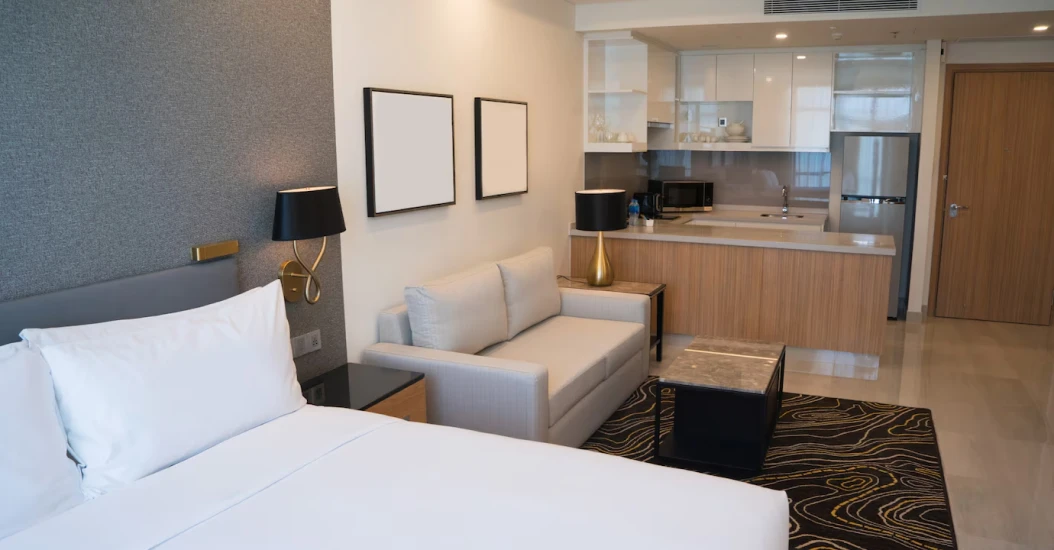
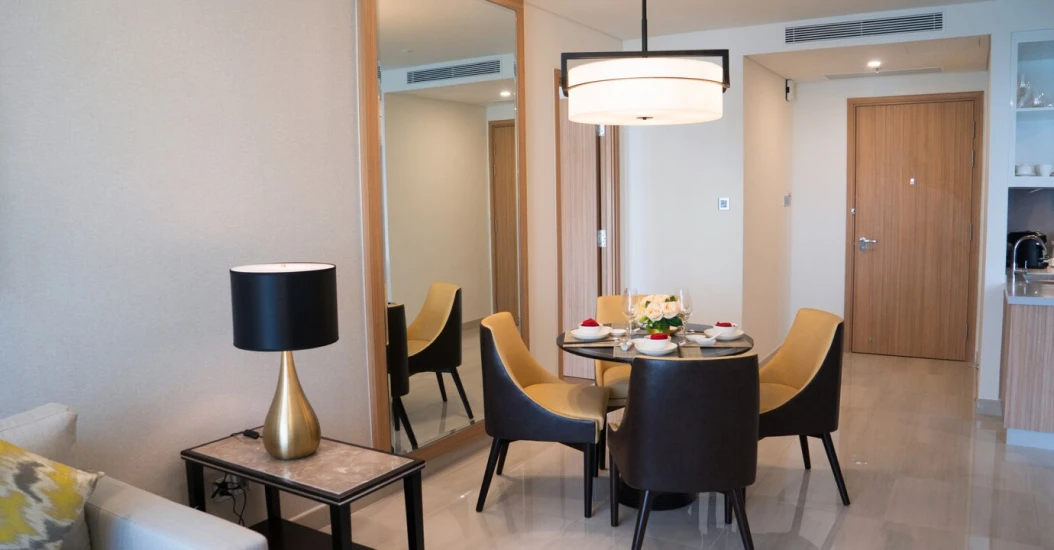
The UAE allows non-residents to own properties in the form of villas and apartments only, through the four systems, including:
- Ownership: Foreign nationals are granted ownership of residential units for 99 years. The owners are allowed to completely dispose of the property they buy.
- Usufruct: This system enables expatriates to own residential properties for 99 years. Moreover, they get the option to use the property along with all its facilities without making any changes.
- Long-term Lease: This lease is provided to the non-residents for an initial period, which must not be less than 25 years.
- Musataha: This system allows the expatriates to own the residential units upto a period of 50 years. They are entitled to enjoy the construction, use, or alteration of the property within that period.
Buy Properties in the Freehold Areas
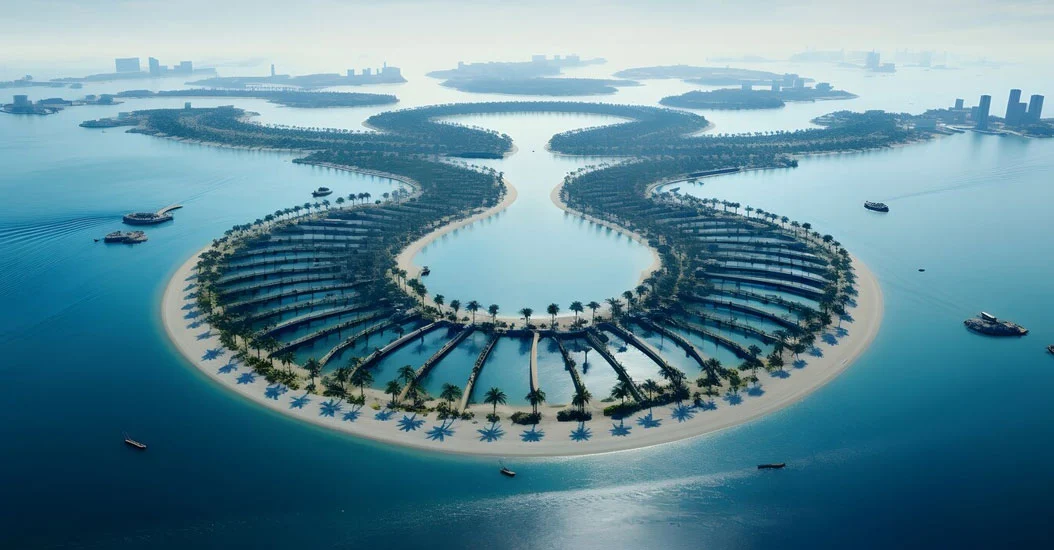
Are you wondering which properties you can buy as a non-resident? Well, foreign ownership is restricted to just the freehold areas. Simply put, these are the areas within the UAE where non-residents can buy, lease, or sell villas and apartments with minimal restrictions. For instance, if you are looking to invest in properties for sale in Abu Dhabi, consider the designated freehold areas like Al Raha Beach, Yas Island, Masdar City, Sayh Al Sedairah, Lulu, Saadiyat, and more.
Obtain and Register the Title Deed
While a contract showcases the intent of buying, it’s the title deed that actually represents the reality. In the UAE, the legal transfer of property ownership is not considered to be finalized until the transaction is registered officially in the digital ledger of the government. Therefore, registration of the title deed is a must. After obtaining an NOC from the developer and completing the ownership transfer, the title deed is registered. This registration guarantees that your ownership cannot be challenged, providing you with a secured asset and not just a promise.
Pay the Requisite Fees
Worried about additional taxes? Non-residents willing to buy properties in the UAE real estate market need not worry about any additional taxes for being foreign buyers. They do not have to pay any income tax. However, they must factor in the essential fees during the property purchase, which include a minimal registration fee of about 4%.
What’s the Difference Between UAE Property Ownership by Residents and Non-Residents?
Take a quick glance at the key differences:
| Features | UAE Residents | Non-Residents |
|---|---|---|
| Property Types | Eligible for leasehold and freehold properties | Eligible for properties in designated freehold |
| Transaction Fees | 4% registration fees | 4% registration fees |
| Mortgage Sourcing | Relatively easier | A little difficult |
Final Thoughts
As the UAE continues to strengthen its position as a global economic hub, the desire to invest in the property market is on the rise among foreign nationals. However, navigating the legal landscape of the country remains a concern. That’s why gaining a complete picture of the property ownership rules for non-residents matters. Searching for trusted real estate companies in Abu Dhabi? Look no further than Advanced Properties Limited! Reach out to the experts, discuss your investment goals, and buy the best properties in Abu Dhabi and other prominent destinations in the UAE.
Key Takeaways:
- Non-residents can easily buy properties in the UAE, but need to follow the legal rules.
- The core rules include investing in the designated freehold areas, obtaining the title deed, and paying the essential fees.
- Collaborating with a strategic partner can make the buying process legally sound and seamless.