What Factors Are Pushing Property Demand Higher In Abu Dhabi?
Abu Dhabi’s property market is seeing some of its strongest transaction activity in recent years and the numbers behind that observation are not subtle.ADREC’s official data for the first half of 2026 showed that total real estate deals amounted to AED 117 billion, with off-plan deals making up 82% of total sales activity and 89% of total sales value. The demand is clearly high. The question for today’s buyers making decisions is whether the forces behind it are durable, and the evidence is they are.
This article breaks down five interconnected drivers that are pushing buyer demand higher across Abu Dhabi's real estate market. These are structural forces backed by government data, policy changes, and on-the-ground sales evidence from sources including ADREC, ADPIC, and published PPP programme documentation. If you are evaluating Abu Dhabi real estate for sale, understanding these forces will help you move from research to a decision with genuine confidence.

Abu Dhabi's population growth is creating genuine housing pressure
Abu Dhabi’s population has reached 4,135,985, growing 7.5% year-on-year, according to official census data. This population growth means more people need homes. Around 80% of the population are expatriates, and continued business growth and work permit activity indicate that Abu Dhabi is attracting skilled professionals and international companies. When population growth is faster than the supply of completed homes, property prices can increase and available homes can sell or rent faster.
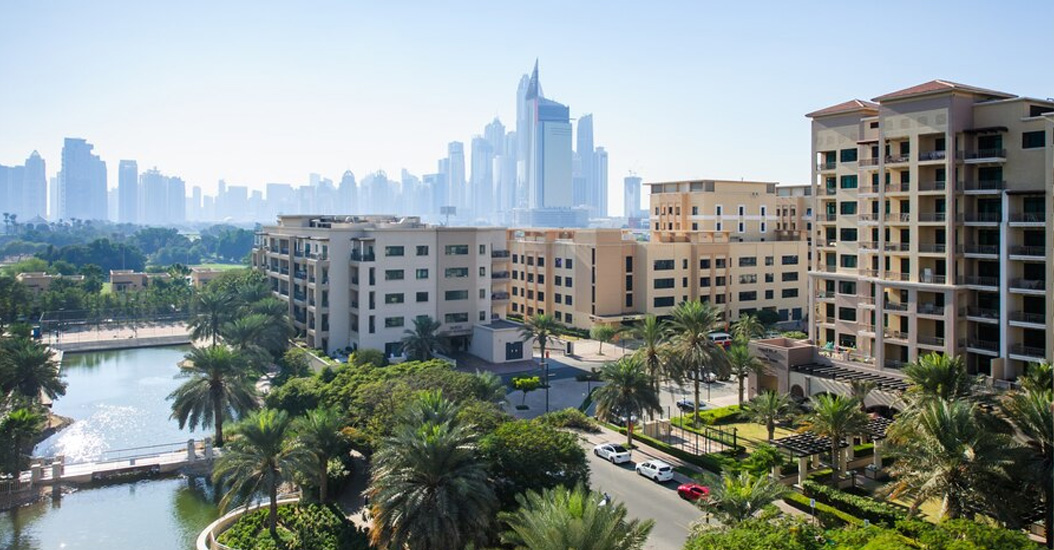
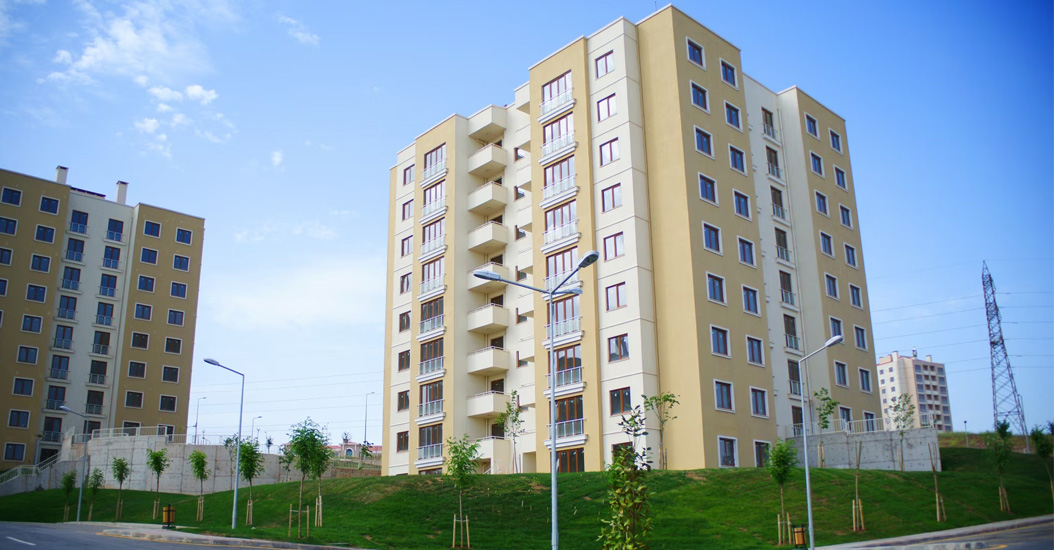
The buyer profile in Abu Dhabi has also broadened considerably. The traditional narrative of a long-term expat reconsidering renting has given way to something more layered. Younger professionals are purchasing their first homes. Families are upgrading from rental accommodation to ownership. International investors are entering the market for the first time, often remotely. Market sources and developer sales data indicate this wider demand base means apartments for sale in Abu Dhabi at entry level and mid-tier price points are under as much pressure as the premium villa segment. Demand is not concentrated at the top; it runs across the entire price spectrum.
How Golden Visa Reforms and Freehold Expansion Are Attracting More Buyers
The UAE's Golden Visa programme has materially changed the investment calculation for international buyers looking at properties for sale in Abu Dhabi. The current threshold is AED 2,000,000 in qualifying real estate value, which unlocks a 10-year renewable residency permit under government immigration guidance. Multiple properties can be aggregated to reach that threshold, and the visa is typically assessed against the title deed value rather than just the purchase price. When a property transaction comes with long-term residency rights attached, the return-on-investment conversation shifts significantly. Buyers are not simply acquiring a unit; they are securing a lifestyle anchor with documented legal status.
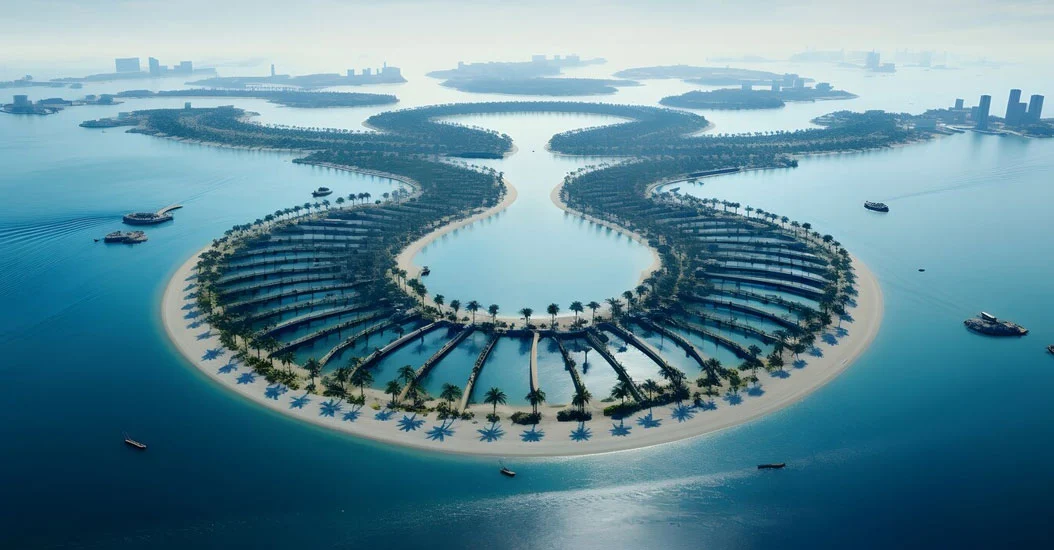
Abu Dhabi has continued to expand its freehold investment areas. ADREC approved eight new investment zones in the first half of 2026, bringing the total to 50 across the emirate. These include newer areas such as Hudayriyat Island, Jubail Island, Fahid Island, and Lulu Island, along with established communities such as Saadiyat Island, Yas Island, Al Reem Island, Al Raha Beach, Masdar City, and Al Reef. Non-UAE nationals can own properties in these designated areas through the title deed process managed by ADREC. This has made Abu Dhabi more accessible to international buyers and contributed to foreign investors becoming an important part of property transactions in key communities.
How Infrastructure Investment Is Increasing Property Values in Abu Dhabi
Abu Dhabi is mid-execution on one of the most ambitious infrastructure programmes in the region. The AED 55 billion PPP pipeline covers 11 major road developments spanning more than 300 kilometres, five water and flood-resilience projects, and eight social infrastructure packages that include schools, university campuses, and specialist healthcare assets. Beyond that pipeline, ADPIC is overseeing more than AED 200 billion in projects across housing, transportation, healthcare, education, tourism, and community services, with over 600 ongoing projects in active delivery.
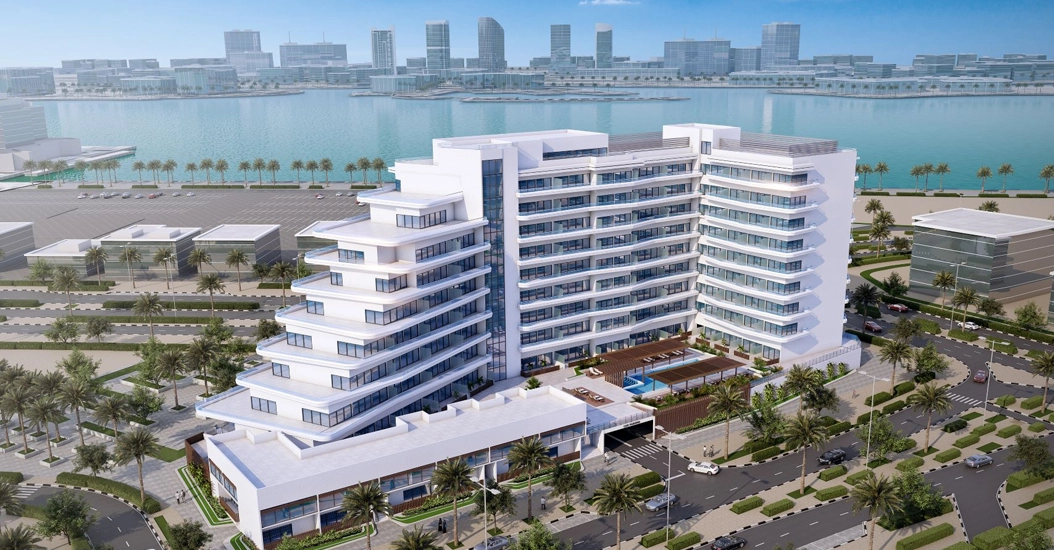
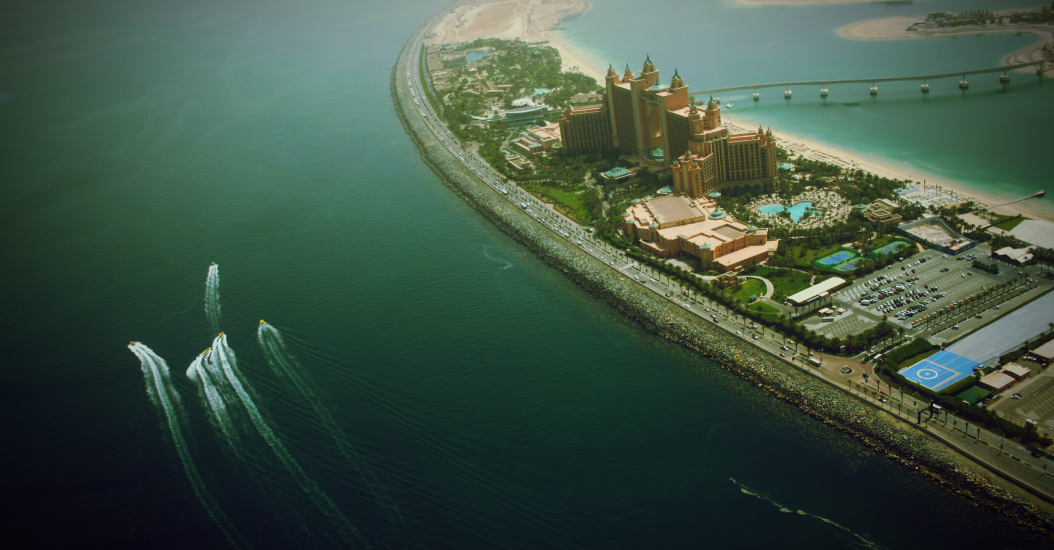
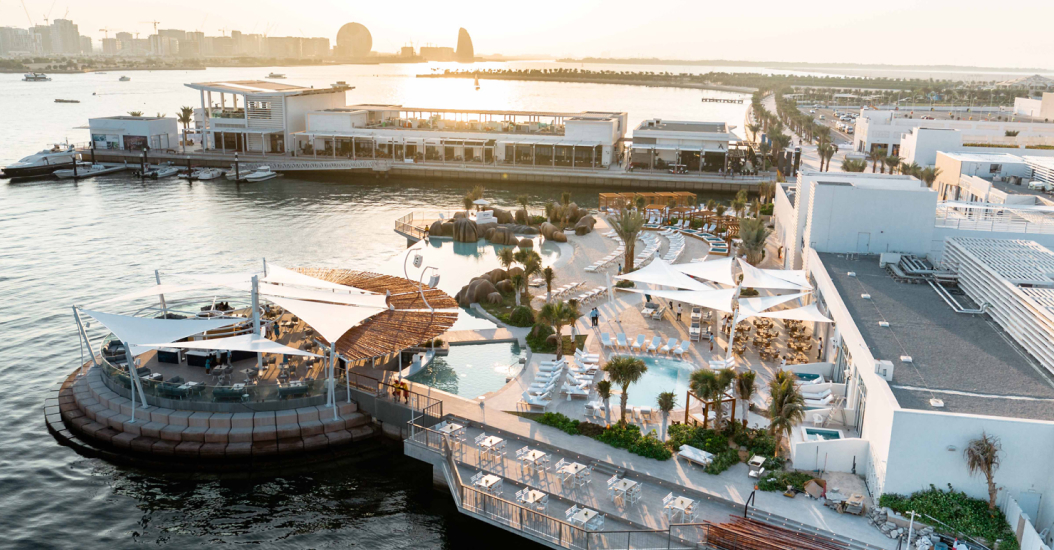
Etihad Rail passenger services launched on 30 June 2026, marking one of the most significant transport milestones in the UAE in years. These are not future promises sitting on a planning document. They are operational assets and advanced-stage construction that raise liveability premiums in surrounding neighbourhoods as they come online. Yas Island is the most visible example of this dynamic. The island has transformed from a motorsport and entertainment destination into a full-service residential community supported by schools, retail, healthcare facilities, and waterfront living. Advanced Properties Limited (APL) recognised this trajectory early, placing flagship developments including Mayyas at the Bay directly within this ecosystem, well-located within one of Abu Dhabi's highest-demand corridors and backed by more than two decades of development expertise.
Abu Dhabi's stability is attracting buyers who have ruled out other markets
Abu Dhabi and Dubai attract different types of property buyers. This difference has become clearer over the past three years as property prices in Dubai have risen quickly. Some buyers looking for better value without compromising on property quality are now considering Abu Dhabi. Property prices per square foot in many Abu Dhabi communities are generally lower than in similar areas of Dubai, while the market is regulated by ADREC. For investors comparing homes for sale in Abu Dhabi with properties in other regional cities, Abu Dhabi can offer an attractive balance of price and potential returns. However, buyers should always check the latest market data before making comparisons.
The regulatory framework is an important part of Abu Dhabi’s property market. Escrow requirements help protect off-plan buyers during construction. Title deeds can often be issued on the same day as the property transfer when all documents and payments are complete. Service charges are also regulated and disclosed before purchase. For international buyers, these clear processes can reduce uncertainty and make the market easier to understand. When buyers feel confident about the process, they may be more willing to invest.
The Data Behind the Demand Surge and What It Looks Like on the Ground
ADREC’s data for the first half of 2026 shows strong activity in Abu Dhabi’s real estate market. Real estate transactions totaled AED 117 billion, including AED 86.1 billion in 16,838 sales transactions across the emirate. Off-plan properties represented 82% of transactions by volume and 89% by value. Cash accounted for 61% of transactions in the ready-property market. All the figures, year-on-year comparisons and ongoing off-plan activity point toward strong demand. When considering current conditions, buyers should also obtain independent market information.
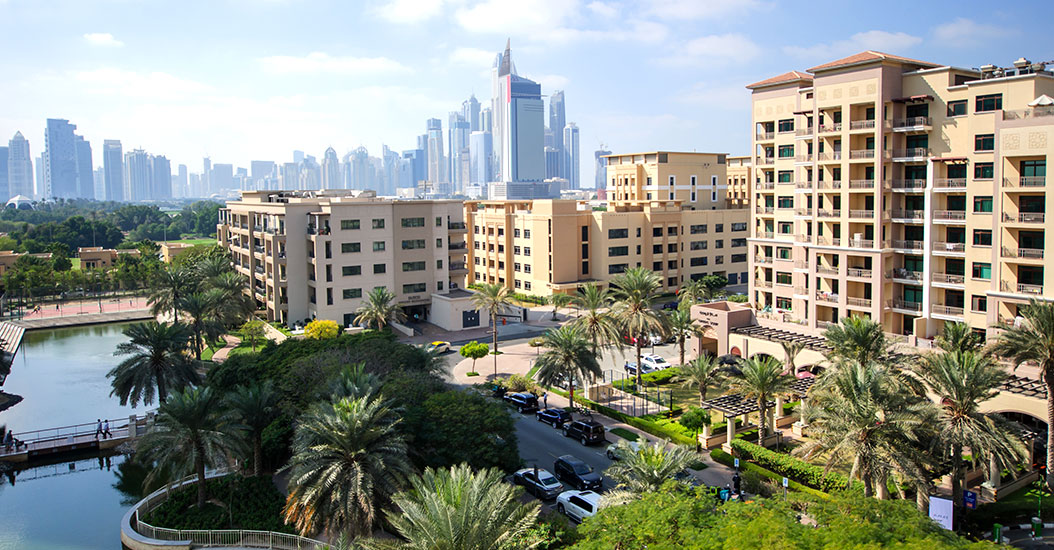
On the ground, this demand can be seen across major communities such as Yas Island. At APL’s Yas Island projects, buyers come from a range of nationalities, including regional and international investors who are entering the UAE property market for the first time. The island continues to attract both first-time buyers and investors because of its location, community development, and range of property options.
The difference between off-plan and ready properties in Abu Dhabi also reflects two different buyer needs. Off-plan properties attract many buyers because they can offer flexible payment plans, newer developments, and the opportunity to buy into emerging communities. Ready properties appeal more to buyers who need immediate occupancy or want to generate rental income soon after purchase. Both options are available in the current market, but off-plan properties currently account for the larger share of buying activity.
What Abu Dhabi’s Property Demand Means for Buyers in 2026
Know the property market before you start shortlisting homes. It can save time. Abu Dhabi has properties in a wide range of market segments, from more affordable communities such as Al Reef, Al Ghadeer and Khalifa City, to established mid-market areas such as Al Reem Island, Al Raha Beach and Yas Island. Upmarket apartments and bigger homes are on offer in the premium areas of Saadiyat Island, Al Maryah Island and the Marina. Each community has different types of properties, amenities, locations and buyer profiles so your selection should be based on your budget, lifestyle and investment goals.
When buying a property, you should also consider costs beyond the purchase price. These can include the property transfer fee, agency commission, and ongoing service charges. Buyers using a mortgage can choose from different financing options, including fixed-rate, variable-rate, and Islamic finance structures such as Murabaha and Ijara. Banks may also require documents such as a passport, Emirates ID or residence visa, proof of income, and bank statements.
For expatriate buyers, the purchasing process in Abu Dhabi generally follows a clear sequence:
- Reserve the property with a deposit
- Sign the Memorandum of Understanding (MoU)
- Obtain the developer NOC
- Prepare your full documentation package
- Attend the ADREC transfer appointment
- Pay applicable fees
- Receive your title deed
It is a structured and well-governed process, and working with a developer or agent who understands the current absorption environment gives buyers a meaningful speed advantage when the right unit comes to market.
Final Thoughts
The five forces driving demand for properties for sale in Abu Dhabi in 2026 are population growth, Golden Visa policy, freehold zone expansion, infrastructure investment, and the emirate's stability premium relative to other regional markets. These forces do not operate independently. When the population grows, housing demand grows. When freehold zones expand and visa eligibility broadens, the buyer pool deepens. When infrastructure improves, neighbourhood premiums rise and early buyers benefit. The weight of evidence points to these drivers reinforcing one another rather than reversing in isolation.
Abu Dhabi home prices are higher than they were, but they are supported by deeper, more diverse demand than at previous points in the emirate's residential history. The buyers competing for Abu Dhabi property listings today include first-time purchasers, upgraders, cash investors, mortgage buyers, and international buyers across multiple nationalities. That breadth is what distinguishes the current market from shorter term cycles.
APL's Yas Island developments, including Mayyas at the Bay, offer a well-considered entry point for buyers exploring properties for sale in Abu Dhabi, positioned within one of the emirate's highest-demand residential corridors and backed by more than two decades of development expertise. Get in touch with the Advanced Properties Limited team to explore current availability and find the unit that fits your timeline and investment goals.